
Kenya is one of the most breathtaking safari destinations in Africa — a land of endless savannas, majestic wildlife, pristine beaches, and warm, welcoming people. From the rolling plains of the Masai Mara to the turquoise waters of the Indian Ocean coast, Kenya offers experiences that every American traveler should have at least once in a lifetime.
If you’re planning to tour Kenya, partnering with a trusted local company like Mali Kale Safaris, based in Kenya, ensures your adventure is seamless, safe, and truly unforgettable. Here’s everything American travelers need to know before embarking on a Kenyan safari.
1. Visa and Entry Requirements for U.S. Citizens
American citizens traveling to Kenya are required to obtain an electronic travel authorization (eTA) before arrival. The eTA can easily be applied for online through Kenya’s official immigration website. It replaces the traditional visa process, simplifying entry procedures for tourists.
Ensure your passport is valid for at least six months from your date of arrival and has at least one blank page for entry stamps. It’s advisable to print a copy of your eTA approval to present at immigration upon arrival.
Mali Kale Safaris assists travelers with guidance on visa applications, ensuring you have the correct travel documentation before your departure.
2. The Best Time to Visit Kenya
Kenya is a year-round travel destination, but certain seasons offer unique experiences depending on what you want to see.
-
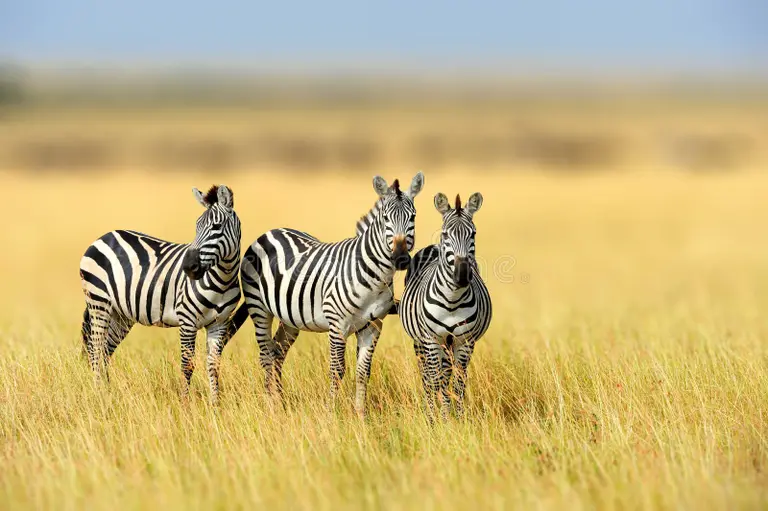
June to October is the dry season — the best time for wildlife safaris. This period coincides with the Great Wildebeest Migration in the Masai Mara, where millions of wildebeests and zebras cross from the Serengeti into Kenya, followed closely by lions, cheetahs, and crocodiles.
-
November to May brings the green season — ideal for birdwatching, photography, and fewer crowds.
-
The coastal regions like Diani Beach, Watamu, and Malindi are warm and sunny most of the year, making them perfect for beach vacations.
At Mali Kale Safaris, we help tailor your itinerary to match your travel goals — whether it’s witnessing the migration, relaxing on the beach, or exploring cultural destinations.
3. Vaccinations and Health Tips
Before traveling to Kenya, it’s recommended that American tourists consult their doctor for travel vaccinations. The CDC advises vaccinations for yellow fever, typhoid, hepatitis A and B, and rabies, depending on your itinerary.
You’ll also need to protect yourself against malaria, especially if traveling to rural or safari regions. Your doctor can prescribe malaria prophylaxis for the duration of your trip.
Kenya has well-developed healthcare facilities in major towns like Nairobi and Mombasa, but it’s always wise to have travel insurance that includes medical evacuation coverage. Mali Kale Safaris provides emergency support and reliable recommendations for health safety while on tour.
4. Currency, Payments, and Tipping
The official currency is the Kenyan Shilling (KES). While credit and debit cards are widely accepted in hotels, lodges, and shopping centers, it’s useful to carry some cash for small purchases and tips.
Kenya’s digital payment system, M-Pesa, is also popular and can be set up locally for easy mobile payments.
Tipping is customary — guides, drivers, and hotel staff greatly appreciate tips for good service. A good guideline is about USD $10–$15 per person per day for safari guides and $1–$2 for hotel staff.
Mali Kale Safaris ensures all costs are transparent, helping travelers budget for meals, park fees, and other extras.
5. Safety and Security
Kenya is generally safe for tourists, especially in established travel zones. Most safari parks, reserves, and tourist towns are well-patrolled and welcoming.
However, like in any country, it’s important to take normal precautions:
-
Avoid walking alone at night in unfamiliar areas.
-
Keep valuables secure and use hotel safes.
-
Only book tours and transfers through licensed operators such as Mali Kale Safaris, which ensures your safety throughout your trip.
Our team provides 24/7 local assistance, trusted drivers, and secure transfers for all safari guests.
6. Wildlife Etiquette and Safari Tips
A Kenyan safari is one of the most thrilling adventures you can experience. To make the most of it:
-
Always follow your guide’s instructions during game drives.
-
Keep a respectful distance from animals and avoid loud noises.
-
Carry binoculars, cameras, and neutral-colored clothing for better game viewing.
-
Early mornings and late afternoons offer the best chances to see wildlife in action.
Mali Kale Safaris works with expert guides who know the terrain, ensuring you get close-up views of the Big Five — lions, elephants, buffaloes, leopards, and rhinos — safely and ethically.
7. Cultural Etiquette and Local Interactions
Kenyans are friendly, polite, and deeply respectful. When meeting locals, a simple greeting like “Jambo” (hello) goes a long way. Always ask before taking photos of people, especially in traditional communities like the Maasai or Samburu.
If your tour includes cultural visits, Mali Kale Safaris ensures respectful and authentic engagement with local communities, allowing travelers to learn and give back meaningfully.
8. Connectivity and Communication
Kenya has excellent mobile and internet coverage. You can easily purchase a local SIM card from Safaricom or Airtel upon arrival at the airport. Many safari lodges and hotels offer Wi-Fi, although connectivity can be limited in remote parks.
Mali Kale Safaris provides assistance in setting up mobile communication so you can stay connected with loved ones and share your safari adventures online.
9. Must-Visit Destinations in Kenya
For American travelers, these destinations are must-sees:
-
Masai Mara National Reserve – World-famous for the Great Migration and abundant wildlife.
-
Amboseli National Park – Known for its huge elephant herds and views of Mount Kilimanjaro.
-
Lake Nakuru – Home to flamingos and rhinos.
-
Tsavo East and West – Iconic landscapes and diverse wildlife.
-
Diani Beach – Perfect for post-safari relaxation by the ocean.
-
Nairobi – A vibrant city with the Nairobi National Park, Giraffe Centre, and Karen Blixen Museum.
Mali Kale Safaris curates customized itineraries combining safari adventures, cultural experiences, and beach holidays — all guided by local expertise.
10. Why Choose Mali Kale Safaris
As a Kenya-based safari company, Mali Kale Safaris offers more than just tours — we deliver personalized travel experiences with a local touch. Our team understands the land, culture, and wildlife intimately, ensuring American travelers enjoy authentic, safe, and memorable safaris.
From airport pickups and hotel bookings to guided game drives and cultural tours, Mali Kale Safaris handles every detail with care and professionalism. Whether you’re a solo traveler, family, or group, we design tailor-made safari packages that fit your interests and budget.
Final Thoughts
A safari in Kenya is not just a vacation — it’s a life-changing experience. The sights, sounds, and sensations of the wild will stay with you forever. For American travelers, knowing what to expect helps make the journey smoother and more rewarding.
Partnering with a trusted local operator like Mali Kale Safaris ensures you experience Kenya’s beauty comfortably, safely, and authentically. Your African adventure awaits — and Kenya is ready to welcome you with open arms.